
What are the precautions for using conveyor belt?
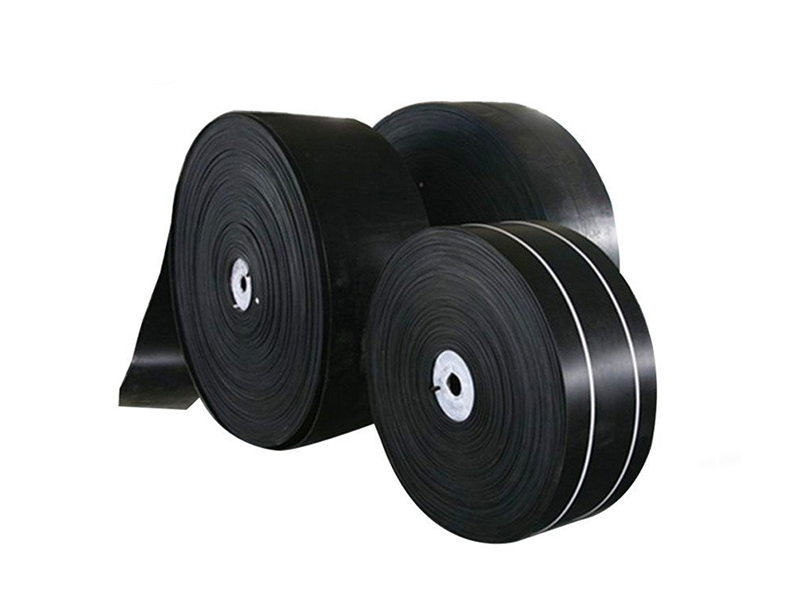
Introduction
Conveyor belts are essential components in various industries, including manufacturing, mining, logistics, and food processing. They facilitate the efficient movement of materials and products, enhancing productivity and reducing manual labor. However, improper use or maintenance of conveyor belts can lead to accidents, equipment damage, and operational downtime. This article outlines key precautions to ensure the safe and effective use of conveyor belts.
1. Proper Installation and Alignment
1.1 Correct Installation
Ensuring the conveyor belt is correctly installed is the first step in preventing operational issues. The belt should be aligned with the conveyor structure, and all components, such as rollers and pulleys, must be properly secured. Misalignment can cause the belt to drift, leading to wear and tear or even complete failure.
1.2 Regular Alignment Checks
Regularly check the alignment of the conveyor belt to ensure it runs straight and true. Misalignment can result from various factors, including uneven loading, worn components, or structural issues. Promptly address any misalignment to prevent further damage.
2. Regular Maintenance and Inspection
2.1 Routine Inspections
Conduct routine inspections of the conveyor belt and its components. Look for signs of wear, such as cracks, fraying, or thinning of the belt material. Inspect rollers, pulleys, and bearings for any signs of damage or excessive wear.
2.2 Lubrication
Ensure that all moving parts are adequately lubricated to reduce friction and wear. Proper lubrication extends the lifespan of the conveyor belt and its components, preventing unexpected breakdowns.
2.3 Cleaning
Keep the conveyor belt and its surrounding area clean. Accumulation of debris, dust, or spilled materials can interfere with the belt's operation and cause damage. Regular cleaning helps maintain optimal performance and prevents contamination, especially in food processing industries.
3. Safe Operation Practices
3.1 Training and Awareness
Ensure that all personnel operating or working near the conveyor belt are adequately trained. They should be aware of the potential hazards and know how to operate the equipment safely. Training should include emergency procedures and the correct use of safety devices.
3.2 Load Management
Avoid overloading the conveyor belt, as this can cause excessive strain and lead to premature wear or failure. Distribute the load evenly across the belt to prevent uneven stress and potential damage.
3.3 Emergency Stops
Install and maintain emergency stop buttons along the conveyor belt. These devices allow operators to quickly halt the belt in case of an emergency, preventing accidents and minimizing damage.
4. Environmental Considerations
4.1 Temperature and Humidity
Consider the environmental conditions where the conveyor belt operates. Extreme temperatures or high humidity levels can affect the belt's material and performance. Choose conveyor belts made from materials suitable for the specific environmental conditions.
4.2 Chemical Exposure
In industries where the conveyor belt is exposed to chemicals, ensure that the belt material is resistant to chemical damage. Regularly inspect the belt for signs of chemical degradation and replace it if necessary.
5. Use of Safety Guards and Devices
5.1 Safety Guards
Install safety guards around moving parts of the conveyor belt, such as rollers and pulleys. These guards prevent accidental contact, reducing the risk of injury to personnel.
5.2 Warning Signs
Place warning signs near the conveyor belt to alert personnel to potential hazards. Signs should indicate areas where caution is needed, such as pinch points, moving parts, and emergency stop locations.
Conclusion
Using conveyor belts safely and effectively requires attention to proper installation, regular maintenance, safe operation practices, environmental considerations, and the use of safety guards and devices. By following these precautions, industries can minimize the risk of accidents, extend the lifespan of their conveyor belts, and ensure smooth and efficient operations. Regular training and awareness programs for personnel are also crucial in maintaining a safe working environment. Adhering to these guidelines will help maximize the benefits of conveyor belts while minimizing potential risks.
Related News

YANGZHOU BAODA PLASTIC RUBBER PRODUCTS CO., LTD. was founded in 2004, located in Baoying County, Yangzhou, Jiangsu Province, China.
Newsletter Sign Up
Quick Link
Contact Us
Address: Honggang Road, Wangzhigang Industrial Park, Baoying County, Jiangsu Province
Copyright 2023 YANGZHOU BAODA PLASTIC RUBBER PRODUCTS CO.,lTD Powered by www.300.cn Tags
Copyright 2023 YANGZHOU BAODA PLASTIC RUBBER PRODUCTS CO.,lTD
Powered by www.300.cn Tags