
How are conveyor belts different from chain drives?
Conveyor Belts vs Chain Drives: A Comparative Analysis
Conveyor belts and chain drives are two fundamental components in the realm of mechanical power transmission and material handling. While both serve the purpose of moving objects from one location to another, they operate on distinct principles, possess unique characteristics, and find applications in diverse industries. Understanding the differences between conveyor belts and chain drives is crucial for selecting the appropriate system for specific operational requirements.
Fundamental Principles of Operation
Conveyor Belts
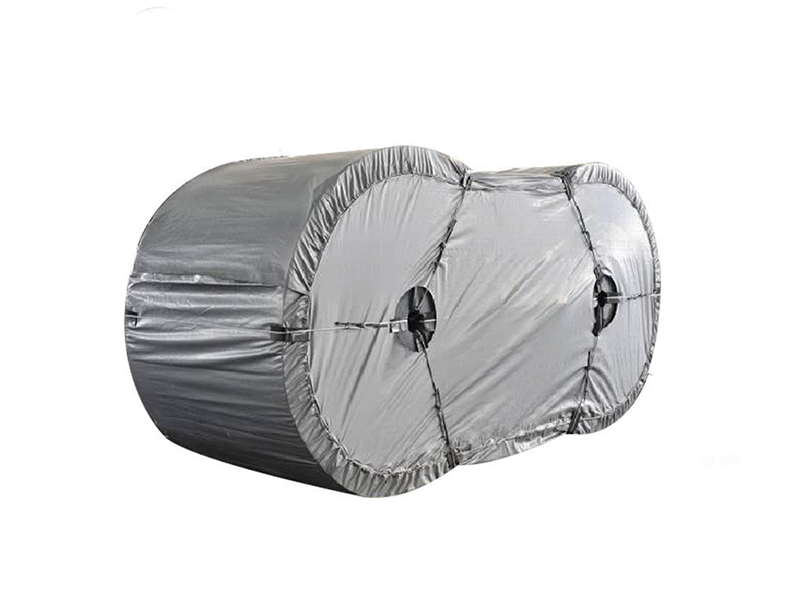
Conveyor belts function on the principle of friction and continuous motion. They consist of a continuous loop of flexible material, typically made of rubber, plastic, or fabric, that rotates around two or more pulleys. The belt is driven by a motor-powered pulley, known as the drive pulley, which imparts motion to the belt. As the belt moves, it carries the load placed on its surface from one point to another. The smooth and continuous surface of the belt allows for the efficient transport of a wide variety of materials, including bulk items, packages, and even people in certain applications like airport walkways.
Chain Drives
Chain drives, on the other hand, operate on the principle of positive engagement between sprockets and a chain. A chain drive system comprises a series of interconnected metal links forming a closed loop, known as the chain, which meshes with toothed wheels called sprockets. One sprocket is connected to a power source, such as an electric motor, and serves as the drive sprocket, while the other sprocket is attached to the driven component. As the drive sprocket rotates, it engages the chain, transferring rotational motion and torque to the driven sprocket. Chain drives are known for their high efficiency in power transmission and are capable of handling heavy loads and high torque applications.
Design and Construction
Conveyor Belts
Conveyor belts are designed with a focus on flexibility, durability, and load-carrying capacity. The belt itself is typically composed of multiple layers, including a top cover, a bottom cover, and one or more layers of reinforcement material, such as fabric or steel cords, sandwiched between them. The top cover protects the belt from abrasion, impact, and environmental factors, while the bottom cover provides support and stability. The reinforcement layer adds strength and prevents the belt from stretching or tearing under heavy loads. Conveyor belts come in various widths, thicknesses, and lengths to accommodate different application requirements.
Chain Drives
Chain drives are characterized by their robust and precise construction. The chain consists of links made of high-strength metal, such as steel, which are connected by pins and bushings. The sprockets are precisely machined with teeth that mesh perfectly with the chain links, ensuring smooth and efficient power transmission. Chain drives are available in different configurations, including roller chains, silent chains, and leaf chains, each designed for specific applications and load capacities. Roller chains are the most common type and are widely used in automotive, industrial machinery, and agricultural equipment.
Performance Characteristics
Conveyor Belts
Conveyor belts offer several advantages in terms of performance. They provide a smooth and continuous conveying surface, which is ideal for transporting fragile or delicate items without causing damage. Conveyor belts can operate at relatively low speeds, making them suitable for applications where precise control over the movement of materials is required. Additionally, conveyor belts can be easily customized with various attachments, such as cleats, sidewalls, and tracking devices, to enhance their functionality and adaptability to specific conveying tasks.
Chain Drives
Chain drives excel in applications that demand high power transmission and precise motion control. Due to the positive engagement between the chain and sprockets, chain drives offer high efficiency, typically ranging from 95% to 98%, resulting in minimal power loss during transmission. They can transmit large amounts of torque and are capable of operating at high speeds, making them suitable for heavy-duty industrial machinery, such as conveyor systems, printing presses, and machine tools. Chain drives also provide accurate positional control, which is essential in applications where synchronization and timing are critical.
Maintenance and Durability
Conveyor Belts
Conveyor belts require regular maintenance to ensure optimal performance and longevity. The maintenance tasks include inspecting the belt for signs of wear, damage, or misalignment, cleaning the belt and pulleys, lubricating the bearings and other moving parts, and adjusting the tension of the belt as needed. Belt replacement is inevitable over time due to normal wear and tear, and it is essential to choose a high-quality belt that is suitable for the specific application to minimize downtime and maintenance costs.
Chain Drives
Chain drives also require routine maintenance to keep them functioning properly. Regular inspections should be conducted to check for wear on the chain links, sprocket teeth, and other components. Lubrication is crucial for reducing friction and wear between the chain and sprockets, and it should be applied according to the manufacturer's recommendations. Proper tensioning of the chain is also necessary to prevent excessive wear and ensure efficient power transmission. While chain drives are generally more durable than conveyor belts, they may eventually require replacement of worn-out components or the entire chain system.
Cost Considerations
Conveyor Belts
The initial cost of conveyor belts can vary depending on the type of material, width, thickness, and length required for the application. Generally, conveyor belts are more cost-effective for shorter distances and lighter loads. However, the overall cost of ownership may be higher due to the need for frequent maintenance, repairs, and eventual replacement of the belt.
Chain Drives
Chain drives typically have a higher initial cost compared to conveyor belts, especially for high-performance and heavy-duty applications. However, their durability and long service life can offset the initial investment over time. Additionally, chain drives may require less frequent maintenance and adjustment compared to conveyor belts, resulting in lower maintenance costs in the long run.
Applications
Conveyor Belts
Conveyor belts find applications in a wide range of industries, including mining, manufacturing, agriculture, food processing, and logistics. They are commonly used for transporting bulk materials, such as coal, ore, grain, and sand, as well as packaged goods, parcels, and luggage. Conveyor belts are also employed in assembly lines, sorting systems, and baggage handling systems, where the smooth and continuous movement of products is essential.
Chain Drives
Chain drives are extensively used in industries where high power transmission and precise motion control are required. They are commonly found in automotive engines, transmissions, and drive trains, as well as in industrial machinery, such as pumps, compressors, and conveyors. Chain drives are also used in agricultural equipment, construction machinery, and material handling systems, where the ability to transmit large amounts of torque and operate in harsh environments is crucial.
Conclusion
In summary, conveyor belts and chain drives are two distinct mechanical systems with unique characteristics, advantages, and limitations. Conveyor belts are ideal for applications that require the smooth and continuous transport of materials over short to medium distances, while chain drives excel in high-power, high-torque applications that demand precise motion control. When selecting between conveyor belts and chain drives, it is essential to consider factors such as the nature of the load, the distance to be covered, the required speed and precision, and the overall cost of ownership. By understanding the differences between these two systems, engineers and designers can make informed decisions to optimize the performance and efficiency of their mechanical systems.
Related News

YANGZHOU BAODA PLASTIC RUBBER PRODUCTS CO., LTD. was founded in 2004, located in Baoying County, Yangzhou, Jiangsu Province, China.
Newsletter Sign Up
Quick Link
Contact Us
Address: Honggang Road, Wangzhigang Industrial Park, Baoying County, Jiangsu Province
Copyright 2023 YANGZHOU BAODA PLASTIC RUBBER PRODUCTS CO.,lTD Powered by www.300.cn Tags
Copyright 2023 YANGZHOU BAODA PLASTIC RUBBER PRODUCTS CO.,lTD
Powered by www.300.cn Tags