
How does a conveyor belt improve production efficiency?
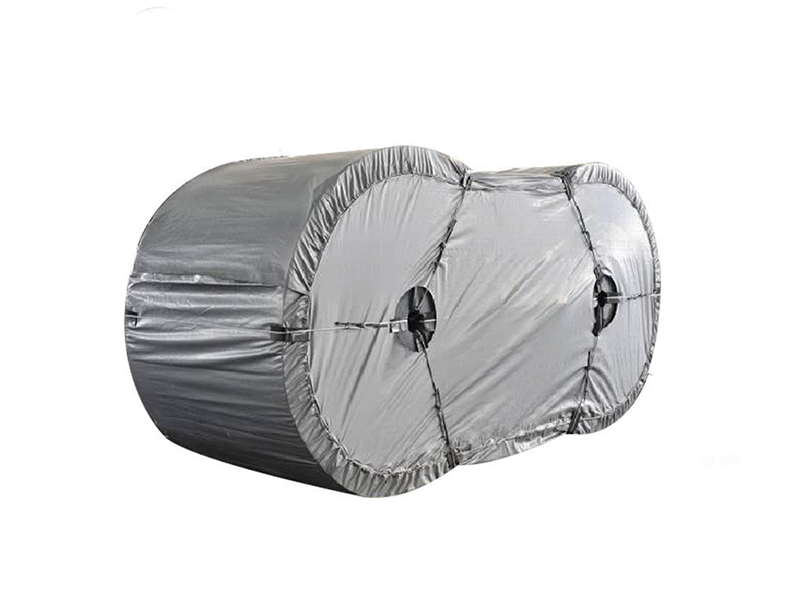
How Does a Conveyor Belt Improve Production Efficiency?
I. Introduction
In the modern industrial landscape, where competition is fierce and the demand for high - quality products is ever - increasing, production efficiency has become a crucial factor for the success of enterprises. Conveyor belts, as an integral part of industrial production systems, play a significant role in enhancing production efficiency. This article will delve into the various ways in which conveyor belts contribute to improving production efficiency, from their basic functions to advanced applications in different industries.
II. Basic Functions of Conveyor Belts
Material Handling
Conveyor belts are primarily designed for transporting materials from one point to another within a production facility. They can handle a wide variety of materials, including raw materials, components, and finished products. For example, in a manufacturing plant that produces automobiles, conveyor belts are used to move engine parts from the assembly line to the testing area. This eliminates the need for manual handling, which is not only time - consuming but also prone to errors.The smooth and continuous movement of conveyor belts ensures that materials are delivered promptly to the next stage of production. This reduces waiting times and keeps the production process flowing smoothly.
Consistency in Movement
Conveyor belts provide a consistent and predictable speed of movement. This is essential for many production processes where components need to be assembled or processed in a specific order and at a certain pace. In the food industry, for instance, conveyor belts transport food items through various processing stages such as washing, sorting, and packaging at a steady speed. This consistency helps in maintaining product quality and ensures that all products go through the same processing steps without any deviations.
III. Impact on Production Processes
Streamlining Workflow
By connecting different production areas, conveyor belts create a seamless workflow. In a textile mill, raw cotton is first fed onto a conveyor belt that takes it to the carding machine. From there, it moves on to the spinning department and eventually to the weaving section, all without any interruptions. This streamlined process reduces the need for intermediate storage and handling, which can be a major source of delays.It also allows for better coordination between different departments. Managers can more easily plan production schedules since they have a clear view of how materials are moving through the entire production line.
Enabling Mass Production
Conveyor belts are a key enabler of mass production. In industries such as electronics manufacturing, where large - scale production is essential to meet market demand, conveyor belts can handle high - volume production runs. They can transport thousands of electronic components per hour through the assembly line, allowing for the production of a large number of devices in a relatively short period.This mass production capability not only helps in meeting consumer demand but also reduces the cost per unit of production as fixed costs are spread over a larger number of products.
IV. Time - Saving Aspects
Reducing Manual Labor
One of the most significant ways conveyor belts improve production efficiency is by reducing the need for manual labor in material handling. In a warehouse, instead of workers having to carry heavy boxes from one location to another, a conveyor belt can do the job quickly and efficiently. This not only saves time but also reduces the physical strain on workers, which can lead to fewer sick days and higher productivity overall.In some cases, manual handling can be completely eliminated, freeing up workers to focus on more value - added tasks such as quality control or equipment maintenance.
Minimizing Downtime
Conveyor belts are designed to operate continuously for long periods with minimal maintenance. This reduces downtime associated with material transportation. For example, in a mining operation where ore needs to be transported from the mine face to the processing plant, a reliable conveyor belt system can keep the ore moving without frequent stops. This ensures that the processing plant always has a steady supply of raw materials and can operate at full capacity.
V. Quality Control Integration
Inspection Points Along the Belt
Conveyor belts can be equipped with inspection points where quality control personnel can check the products as they move along. In a furniture manufacturing plant, for instance, workers can inspect the wood components at specific points on the conveyor belt for any defects such as cracks or warping. This allows for early detection of quality issues and prevents defective products from moving further down the production line.Automated inspection systems can also be integrated with conveyor belts. These systems use sensors and cameras to detect abnormalities in real - time and can automatically sort out defective products, further improving the overall quality of the output.
Consistency in Quality
Since conveyor belts provide a consistent movement and environment for products as they move through the production process, it helps in maintaining consistency in quality. All products are exposed to the same processing conditions, which reduces the chances of variations in quality.
VI. Energy Efficiency Considerations
Optimized Motor Systems
Modern conveyor belt systems are often equipped with optimized motor systems. These motors are designed to consume the minimum amount of energy required to move the conveyor belt and the load. They can adjust their speed based on the load conditions, for example, slowing down when there is less material to transport. This energy - efficient operation not only reduces production costs but also has a positive impact on the environment.
Reducing Friction Losses
The design of conveyor belts and their associated components is focused on reducing friction losses. Smooth conveyor belt surfaces and properly lubricated bearings help in minimizing the energy wasted due to friction. This ensures that more of the energy used by the motor is actually used for transporting materials, further improving the overall energy efficiency of the production process.
VII. Adaptability to Different Industries
Manufacturing
In manufacturing industries such as automotive, aerospace, and machinery, conveyor belts are used to handle a wide range of components and products. They can be customized to fit different production layouts and requirements. For example, in an aircraft manufacturing plant, conveyor belts are used to transport large fuselage sections and small fasteners with equal efficiency.
Food Processing
In the food processing industry, conveyor belts are designed to meet strict hygiene standards. They are made from materials that are easy to clean and resistant to corrosion. They are also used to transport food products at different temperatures, from frozen goods to hot - processed items.
Mining and Quarrying
VIII. Advanced Technologies Integrated with Conveyor Belts
Automation and Robotics
Conveyor belts are often integrated with automation and robotics technologies. Robots can be placed along the conveyor belt to perform tasks such as assembly, welding, or painting. For example, in an automotive assembly plant, robots on the conveyor belt can accurately assemble car bodies with high precision and speed.Automated guided vehicles (AGVs) can also be used in conjunction with conveyor belts to transport materials between different production areas. These AGVs can follow predefined paths and communicate with the conveyor belt system to ensure seamless material handling.
Internet of Things (IoT) Connectivity
With the advent of IoT, conveyor belts can now be connected to the internet. Sensors on the conveyor belt can monitor various parameters such as speed, load, and temperature in real - time. This data can be analyzed to optimize the performance of the conveyor belt system, predict maintenance needs, and improve overall production efficiency.
IX. Conclusion
In conclusion, conveyor belts play a vital role in improving production efficiency in various industries. Their ability to handle material transportation consistently, reduce manual labor, streamline workflows, and integrate with advanced technologies makes them an indispensable part of modern industrial production. As technology continues to evolve, we can expect further improvements in conveyor belt systems, which will continue to enhance production efficiency and contribute to the growth and competitiveness of enterprises.
Related News

YANGZHOU BAODA PLASTIC RUBBER PRODUCTS CO., LTD. was founded in 2004, located in Baoying County, Yangzhou, Jiangsu Province, China.
Newsletter Sign Up
Quick Link
Contact Us
Address: Honggang Road, Wangzhigang Industrial Park, Baoying County, Jiangsu Province
Copyright 2023 YANGZHOU BAODA PLASTIC RUBBER PRODUCTS CO.,lTD Powered by www.300.cn Tags
Copyright 2023 YANGZHOU BAODA PLASTIC RUBBER PRODUCTS CO.,lTD
Powered by www.300.cn Tags