
How does the conveyor belt system improve industrial efficiency?
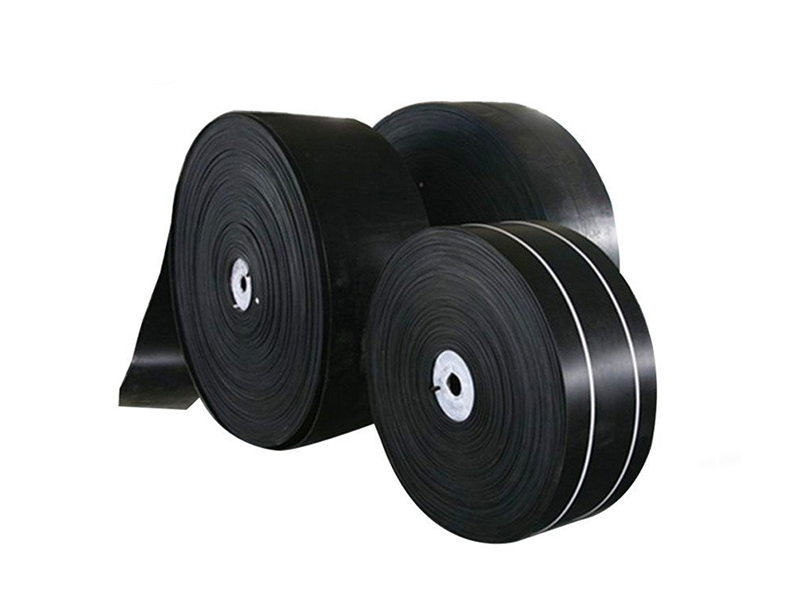
Article Outline:
I. Introduction
Brief introduction to conveyor belt systems.Importance of conveyor belt systems in modern industrial production.
II. Basic Principles and Applications of Conveyor Belt Systems
Explanation of the basic working principles of conveyor belt systems.Various applications of conveyor belt systems across different industries (e.g., manufacturing, mining, logistics).
III. Improving Industrial Efficiency through Conveyor Belt Systems
Enhanced Material Handling:
Efficient transportation of materials between different production stages.Reduced manual handling and associated errors.
Increased Production Speed:
Continuous and smooth movement of materials.Ability to operate at high speeds without compromising on quality.
Improved Working Conditions:
Reduced need for workers to handle heavy loads.Improved safety by minimizing exposure to hazardous environments.
Optimized Space Utilization:
Compact design allowing for efficient use of limited space.Ability to integrate with other production equipment seamlessly.
Reduced Downtime:
Robust construction and reliable performance minimizing maintenance requirements.Quick identification and resolution of issues through advanced monitoring systems.
Enhanced Quality Control:
Easy inspection of materials during transportation.Integration with automated inspection systems for improved accuracy.
IV. Advanced Features and Technologies in Conveyor Belt Systems
Automation and robotics integration.Real-time monitoring and data analytics.Energy efficiency improvements.Customization options to meet specific industry needs.
V. Case Studies: Successful Implementation of Conveyor Belt Systems
Examples from various industries showcasing the benefits of conveyor belt systems.Detailed analysis of how these systems improved industrial efficiency.
VI. Challenges and Considerations
Potential challenges when implementing conveyor belt systems.Important considerations to ensure successful integration and operation.
VII. Conclusion
Summary of key points discussed in the article.Future prospects and advancements in conveyor belt systems technology.
Key Points in English:
Enhanced Material Handling: Conveyor belt systems facilitate the efficient transportation of materials between different production stages, reducing the need for manual handling and minimizing errors.
Increased Production Speed: These systems enable continuous and smooth movement of materials, allowing for high-speed operation without compromising on quality.
Improved Working Conditions: By reducing the need for workers to handle heavy loads and minimizing exposure to hazardous environments, conveyor belt systems contribute to improved safety and working conditions.
Optimized Space Utilization: Their compact design allows for efficient use of limited space, and they can be seamlessly integrated with other production equipment.
Reduced Downtime: Conveyor belt systems are known for their robust construction and reliable performance, minimizing maintenance requirements and reducing downtime.
Enhanced Quality Control: Materials can be easily inspected during transportation, and these systems can be integrated with automated inspection systems for improved accuracy.
Advanced Features and Technologies: Automation, real-time monitoring, energy efficiency improvements, and customization options are some of the advanced features and technologies available in modern conveyor belt systems.
Case Studies: Successful implementation of conveyor belt systems in various industries can serve as valuable case studies, showcasing their benefits and providing insights into how they improved industrial efficiency.
Challenges and Considerations: When implementing conveyor belt systems, potential challenges and important considerations must be addressed to ensure successful integration and operation.
Related News

YANGZHOU BAODA PLASTIC RUBBER PRODUCTS CO., LTD. was founded in 2004, located in Baoying County, Yangzhou, Jiangsu Province, China.
Newsletter Sign Up
Quick Link
Contact Us
Address: Honggang Road, Wangzhigang Industrial Park, Baoying County, Jiangsu Province
Copyright 2023 YANGZHOU BAODA PLASTIC RUBBER PRODUCTS CO.,lTD Powered by www.300.cn Tags
Copyright 2023 YANGZHOU BAODA PLASTIC RUBBER PRODUCTS CO.,lTD
Powered by www.300.cn Tags