
Can integral stamping steel dustpans withstand heavy industrial use?
Abstract
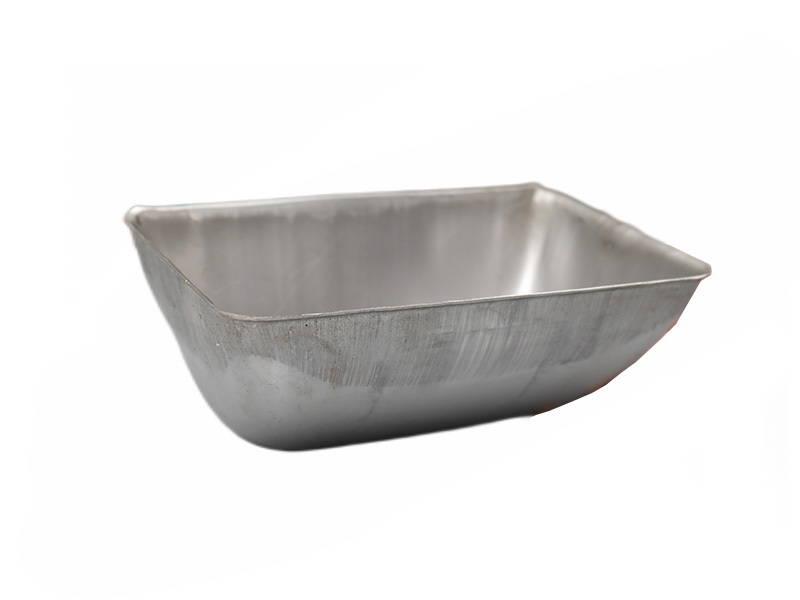
Integral stamping steel dustpans are widely used in various industrial settings due to their structural integrity and cost - effectiveness. This article delves into the question of whether they can withstand heavy industrial use. It examines the properties of integral stamping steel, the design and manufacturing processes of dustpans, the demands of heavy industrial environments, and real - world performance evaluations. Through a comprehensive analysis, we aim to provide a clear understanding of the capabilities and limitations of integral stamping steel dustpans in heavy - duty industrial applications.
1. Introduction
In heavy industrial settings, such as manufacturing plants, construction sites, and mining operations, dustpans play a crucial role in maintaining a clean and safe working environment. They are used to collect various types of debris, including metal shavings, wood chips, concrete dust, and other industrial waste. Integral stamping steel dustpans have emerged as a popular choice due to their relatively low cost and the inherent strength of steel. However, the question remains as to whether they can truly withstand the harsh conditions of heavy industrial use.
2. Properties of Integral Stamping Steel
2.1 Composition and Strength
Integral stamping steel is typically made from carbon steel or alloy steel. Carbon steel, with its varying carbon content, offers a good balance between strength and cost. The carbon atoms in the steel matrix contribute to the formation of a strong lattice structure, which provides the steel with its load - bearing capacity. Alloy steel, on the other hand, contains additional elements such as manganese, chromium, and nickel. These elements enhance the steel's mechanical properties, including strength, hardness, and corrosion resistance. For example, manganese can increase the steel's strength and hardenability, while chromium improves its corrosion resistance.
The strength of integral stamping steel is often measured by its yield strength and tensile strength. Yield strength is the stress at which the steel begins to deform plastically, while tensile strength is the maximum stress that the steel can withstand before it breaks. High - quality integral stamping steel used for dustpans usually has a yield strength of several hundred megapascals (MPa) and a tensile strength in the range of several gigapascals (GPa). This high strength allows the steel to resist deformation when subjected to external forces, such as the weight of heavy debris or the impact of dropping tools.
2.2 Formability
One of the key advantages of integral stamping steel is its excellent formability. Stamping is a manufacturing process that involves shaping the steel into the desired form using a die and a press. Integral stamping steel can be easily formed into the shape of a dustpan through this process. The steel's ability to undergo plastic deformation without cracking or breaking makes it suitable for creating complex shapes with sharp edges and smooth curves. This formability also allows for mass - production of dustpans with consistent quality and dimensions.
2.3 Corrosion Resistance
In heavy industrial environments, dustpans are often exposed to moisture, chemicals, and other corrosive substances. The corrosion resistance of integral stamping steel depends on its composition. Carbon steel is generally more prone to corrosion than alloy steel. However, carbon steel dustpans can be protected against corrosion through surface treatments such as painting, galvanizing, or powder coating. Alloy steel, especially those with a higher content of chromium and nickel, has better inherent corrosion resistance. For example, stainless steel, which is an alloy steel with a minimum of 10.5% chromium, is highly resistant to rust and corrosion and can be used in more aggressive industrial environments.
3. Design and Manufacturing of Integral Stamping Steel Dustpans
3.1 Design Considerations
When designing integral stamping steel dustpans for heavy industrial use, several factors need to be considered. The size and shape of the dustpan should be appropriate for the type and volume of debris to be collected. A larger dustpan may be required for industrial settings with a high amount of waste generation. The edges of the dustpan should be designed to be smooth and rounded to prevent injury to workers and to facilitate easy cleaning. Additionally, the handle of the dustpan should be ergonomically designed to allow for comfortable use over long periods.
The structural design of the dustpan is also crucial. The bottom of the dustpan should be thick enough to provide sufficient strength to support the weight of heavy debris. Reinforcements, such as ribs or flanges, can be added to the sides and bottom of the dustpan to enhance its rigidity and prevent deformation. The connection between the dustpan and the handle should be strong and reliable to ensure that the dustpan does not break or come loose during use.
3.2 Manufacturing Process
The manufacturing of integral stamping steel dustpans involves several steps. First, the steel sheet is selected based on the required properties. The steel sheet is then cut to the appropriate size using shearing or laser cutting techniques. Next, the steel sheet is fed into a stamping press, where it is formed into the shape of a dustpan using a die. The stamping process can create the desired shape, edges, and reinforcements in a single operation.
After stamping, the dustpan may undergo additional processes such as deburring, which removes any sharp edges or burrs left from the stamping process. Surface treatment, such as painting or galvanizing, is then applied to protect the dustpan against corrosion. Finally, the handle is attached to the dustpan using welding, riveting, or other fastening methods.
4. Demands of Heavy Industrial Use
4.1 Load - Bearing Capacity
In heavy industrial environments, dustpans are often required to carry a significant amount of weight. This can include large metal parts, heavy chunks of concrete, or large volumes of debris. The integral stamping steel dustpan must be able to withstand the load without deforming or breaking. The thickness of the steel, the design of the reinforcements, and the overall structural integrity of the dustpan all play a role in determining its load - bearing capacity. For example, a dustpan used in a steel manufacturing plant may need to be able to hold several kilograms of metal shavings and small steel parts without sagging.
4.2 Impact Resistance
Heavy industrial settings are often characterized by a high level of activity, which can result in impacts on the dustpan. Tools may be dropped on the dustpan, or debris may be thrown into it with force. The dustpan must be able to resist these impacts without cracking or denting. The strength and toughness of the integral stamping steel are important factors in its impact resistance. A steel with high toughness can absorb the energy of an impact without failing, while a brittle steel may crack easily under impact.
4.3 Corrosion and Abrasion Resistance
As mentioned earlier, heavy industrial environments can expose dustpans to corrosive substances and abrasive materials. Corrosive substances such as acids, alkalis, and salts can cause the steel to rust and corrode, while abrasive materials such as sand, gravel, and metal particles can wear away the surface of the dustpan. The dustpan must have good corrosion and abrasion resistance to maintain its functionality over time. Surface treatments and the use of corrosion - and abrasion - resistant steels can help to improve the dustpan's performance in these aspects.
4.4 Durability and Long - Term Performance
In heavy industrial use, dustpans are expected to have a long service life. They need to be able to withstand daily use, frequent cleaning, and exposure to harsh conditions without significant degradation. The durability of the integral stamping steel dustpan depends on its material properties, design, and manufacturing quality. A well - designed and well - manufactured dustpan made from high - quality steel can provide reliable service for many years, reducing the need for frequent replacements and saving costs in the long run.
5. Real - World Performance Evaluations
5.1 Case Studies
Several case studies have been conducted to evaluate the performance of integral stamping steel dustpans in heavy industrial settings. In a large construction site, integral stamping steel dustpans were used to collect concrete dust, wood chips, and small debris. The dustpans were subjected to heavy use, with workers frequently dropping tools and throwing debris into them. After several months of use, it was found that the dustpans with thicker steel and proper reinforcements were able to withstand the load and impacts without significant deformation. However, some dustpans with thinner steel showed signs of denting and wear.
In a manufacturing plant that produced metal parts, integral stamping steel dustpans were used to collect metal shavings. The dustpans were exposed to a corrosive environment due to the presence of cutting fluids and metal oxides. Dustpans with surface treatments such as galvanizing or painting had better corrosion resistance and were able to maintain their appearance and functionality for a longer period compared to those without any protection.
5.2 User Feedback
User feedback from workers in heavy industrial settings also provides valuable insights into the performance of integral stamping steel dustpans. Many workers reported that integral stamping steel dustpans were generally durable and could handle a significant amount of debris. However, some users complained about the lack of corrosion resistance in certain dustpans, especially in environments with high humidity or exposure to chemicals. Workers also emphasized the importance of the ergonomic design of the handle, as a poorly designed handle could cause discomfort and fatigue during long - term use.
6. Limitations and Potential Improvements
6.1 Limitations
Despite their many advantages, integral stamping steel dustpans have some limitations in heavy industrial use. One of the main limitations is their susceptibility to corrosion if not properly protected. Carbon steel dustpans can rust quickly in humid or corrosive environments, which can weaken their structure and reduce their service life. Another limitation is their relatively low resistance to extreme impacts. In some cases, a very heavy or sharp impact can cause the dustpan to crack or break, even if it is made from high - quality steel.
6.2 Potential Improvements
To overcome these limitations, several potential improvements can be made. For corrosion resistance, the use of more corrosion - resistant steels, such as stainless steel or alloy steels with high corrosion - resistant elements, can be considered. Advanced surface treatments, such as powder coating with anti - corrosion additives or electroplating with corrosion - resistant metals, can also be applied to enhance the dustpan's protection against corrosion. To improve impact resistance, the design of the dustpan can be optimized by adding more reinforcements or using a more impact - resistant steel grade. Additionally, the use of impact - absorbing materials, such as rubber liners, can be explored to reduce the impact on the dustpan.
7. Conclusion
Integral stamping steel dustpans have the potential to withstand heavy industrial use, but their performance depends on several factors. The properties of the integral stamping steel, including its strength, formability, and corrosion resistance, play a crucial role. The design and manufacturing processes of the dustpan, such as its size, shape, reinforcements, and surface treatment, also affect its ability to handle the demands of heavy industrial environments. In real - world applications, integral stamping steel dustpans have shown varying degrees of success, with some performing well under heavy loads and impacts, while others may have limitations in terms of corrosion resistance and durability.
Through proper material selection, design optimization, and surface treatment, the limitations of integral stamping steel dustpans can be addressed, and their performance in heavy industrial use can be significantly improved. Overall, with the right design and protection, integral stamping steel dustpans can be a reliable and cost - effective solution for collecting debris in heavy industrial settings. However, it is important to continuously evaluate their performance and make improvements based on the specific requirements of the industrial environment.
Related News

YANGZHOU BAODA PLASTIC RUBBER PRODUCTS CO., LTD. was founded in 2004, located in Baoying County, Yangzhou, Jiangsu Province, China.
Newsletter Sign Up
Quick Link
Contact Us
Address: Honggang Road, Wangzhigang Industrial Park, Baoying County, Jiangsu Province
Copyright 2023 YANGZHOU BAODA PLASTIC RUBBER PRODUCTS CO.,lTD Powered by www.300.cn Tags
Copyright 2023 YANGZHOU BAODA PLASTIC RUBBER PRODUCTS CO.,lTD
Powered by www.300.cn Tags