
How to clean and maintain a lifting belt used for rice flour to prevent contamination?
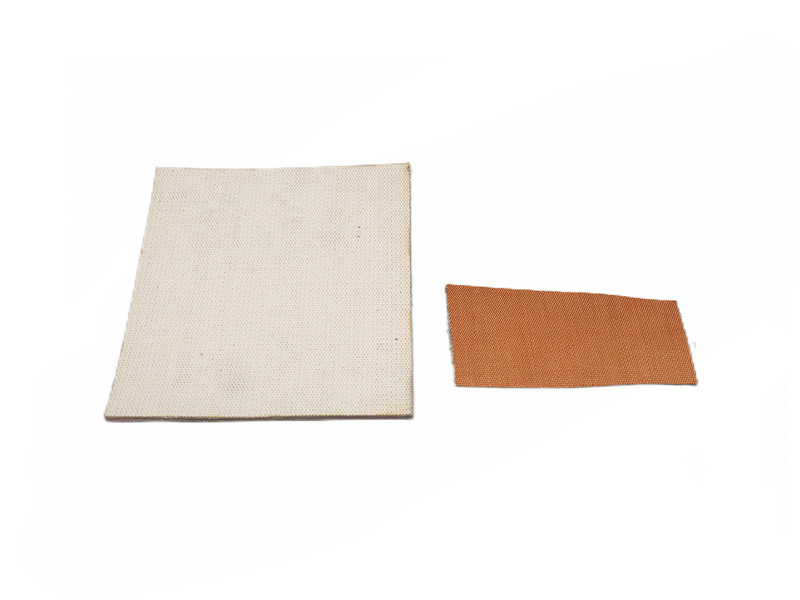
Lifting belts used in the handling of rice flour play a crucial role in ensuring the efficient and safe movement of this food product. However, given the nature of rice flour, which is fine and powdery, there is a high risk of contamination if the lifting belts are not properly cleaned and maintained. Contamination can not only affect the quality of the rice flour but also pose potential health risks to consumers. Therefore, it is essential to establish a comprehensive cleaning and maintenance routine for these lifting belts.
I. Understanding the Contamination Risks
Before delving into the cleaning and maintenance procedures, it is important to understand the sources of contamination that lifting belts for rice flour may encounter. Rice flour is susceptible to various contaminants, including dust, dirt, moisture, pests, and foreign materials. During the handling process, the lifting belts can pick up these contaminants from the surrounding environment, storage areas, or previous loads. Once contaminated, the belts can transfer these unwanted substances to the rice flour, compromising its purity and safety.
II. Regular Cleaning Schedule
To prevent contamination, a regular cleaning schedule should be implemented for the lifting belts. The frequency of cleaning may vary depending on factors such as the usage intensity, environmental conditions, and the level of cleanliness required. However, as a general guideline, it is recommended to clean the belts at least once a day or after each use.
A. Pre-cleaning Preparation
Before starting the cleaning process, it is necessary to prepare the necessary tools and materials. This may include soft brushes, mild detergents, clean water, clean towels or cloths, and a suitable cleaning area. It is important to ensure that the cleaning area is clean and free from any potential sources of recontamination.
B. Brushing Off Loose Debris
The first step in the cleaning process is to remove any loose debris, such as dust or rice flour particles, from the surface of the lifting belt. This can be done using a soft brush. Gently brush the entire surface of the belt in one direction to dislodge the loose particles. Pay special attention to the areas where the belt comes into contact with the load, as these areas are more likely to accumulate debris.
C. Detergent Cleaning
After brushing off the loose debris, the next step is to wash the belt with a mild detergent solution. Prepare the detergent solution by diluting the appropriate amount of mild detergent in clean water, following the manufacturer's instructions. Use a clean cloth or sponge to apply the detergent solution to the surface of the belt. Gently scrub the belt in a circular motion, ensuring that all areas are thoroughly cleaned. Pay particular attention to any stubborn stains or areas with visible buildup.
D. Rinsing
Once the belt has been scrubbed with the detergent solution, it is important to rinse it thoroughly with clean water. Use a hose or a bucket of clean water to rinse off all traces of the detergent solution. Make sure that no soap residue remains on the belt, as this can attract dirt and lead to recontamination.
E. Drying
After rinsing, the lifting belt should be dried completely before it is used again. This can be done by hanging the belt in a well-ventilated area or using clean towels or cloths to wipe it dry. It is important to ensure that the belt is completely dry, as any moisture left on the belt can promote the growth of mold or bacteria.
III. Deep Cleaning and Sanitization
In addition to regular cleaning, it is also important to perform deep cleaning and sanitization of the lifting belts periodically. This is especially necessary if the belts have been exposed to heavy contamination or if there is a risk of microbial growth.
A. Deep Cleaning
Deep cleaning involves a more thorough cleaning process to remove any stubborn stains, buildup, or residues that may not be removed by regular cleaning. This can be done using stronger cleaning agents or specialized equipment, such as high-pressure washers or steam cleaners. However, it is important to ensure that the cleaning agents used are safe for food contact surfaces and do not leave any harmful residues.
B. Sanitization
Sanitization is the process of reducing the number of microorganisms on the surface of the lifting belt to a safe level. This can be achieved using sanitizing agents, such as chlorine-based solutions or quaternary ammonium compounds. Follow the manufacturer's instructions for the proper use and dilution of the sanitizing agent. Apply the sanitizing solution to the surface of the belt and allow it to sit for the recommended contact time. Then, rinse the belt thoroughly with clean water to remove any traces of the sanitizing agent.
IV. Proper Storage
Proper storage of the lifting belts when not in use is also crucial in preventing contamination. The belts should be stored in a clean, dry, and well-ventilated area, away from direct sunlight and sources of heat. They should be hung or rolled up neatly to prevent creasing or damage. It is also important to cover the belts with protective covers or plastic sheets to protect them from dust and other contaminants.
V. Regular Inspection and Maintenance
Regular inspection and maintenance of the lifting belts are essential to ensure their proper functioning and to identify any potential issues that may lead to contamination. Inspect the belts regularly for signs of wear, damage, or deterioration, such as cracks, tears, or fraying. Check the fasteners, such as hooks or buckles, to ensure that they are secure and in good condition. If any problems are found, the belts should be repaired or replaced immediately.
In addition to visual inspections, it is also important to perform regular maintenance tasks, such as lubricating the moving parts of the lifting equipment and tightening any loose bolts or screws. This will help to keep the equipment in good working order and prevent any accidents or malfunctions that could result in contamination.
VI. Training and Awareness
To ensure the effectiveness of the cleaning and maintenance program, it is important to provide training to all personnel involved in the handling and maintenance of the lifting belts. Train them on the proper cleaning and sanitization procedures, as well as the importance of following these procedures consistently. Also, educate them on the risks of contamination and the role they play in preventing it.
VII. Conclusion
Cleaning and maintaining lifting belts used for rice flour is a critical aspect of ensuring the quality and safety of the product. By implementing a regular cleaning schedule, performing deep cleaning and sanitization periodically, storing the belts properly, conducting regular inspections and maintenance, and providing training and awareness to personnel, the risk of contamination can be significantly reduced. This will not only protect the reputation of the company but also ensure the health and satisfaction of the consumers.
Related News

YANGZHOU BAODA PLASTIC RUBBER PRODUCTS CO., LTD. was founded in 2004, located in Baoying County, Yangzhou, Jiangsu Province, China.
Newsletter Sign Up
Quick Link
Contact Us
Address: Honggang Road, Wangzhigang Industrial Park, Baoying County, Jiangsu Province
Copyright 2023 YANGZHOU BAODA PLASTIC RUBBER PRODUCTS CO.,lTD Powered by www.300.cn Tags
Copyright 2023 YANGZHOU BAODA PLASTIC RUBBER PRODUCTS CO.,lTD
Powered by www.300.cn Tags