
What are the main advantages of using a special lifting belt for rice flour?
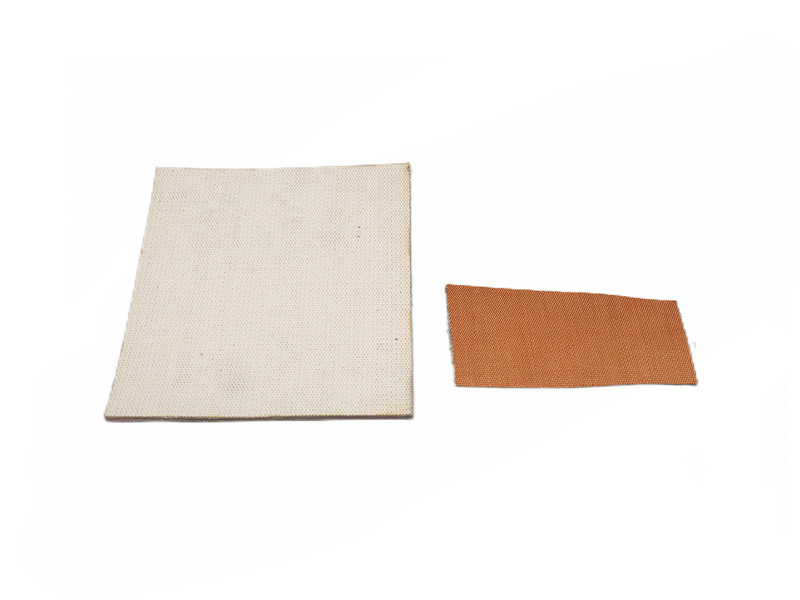
In the handling and transport of powdered or fine-grained materials, the equipment used must go beyond simple strength and durability. Rice flour, as a lightweight, fine, and highly aerated substance, presents unique challenges during lifting and conveying. Its particles are prone to becoming airborne, forming dust clouds that can compromise hygiene, create explosion hazards, and lead to significant product loss. Furthermore, the fine texture makes it susceptible to compaction, segregation, or contamination if handled improperly. A special lifting belt designed specifically for rice flour addresses these challenges with targeted features that distinguish it from general-purpose conveyor or lifting belts. The main advantages of such a belt arise from its material composition, surface design, dust-control capabilities, hygienic properties, and its contribution to operational efficiency and safety.
1. Dust Containment and Airborne Particle Suppression
One of the foremost concerns when moving rice flour is the generation and dispersion of dust. Fine flour particles are easily lifted by airflow created through movement, vibration, or sudden directional changes. In conventional belts, the mechanical action of loading, transporting, and unloading can stir the powder, releasing clouds of dust into the environment. This not only leads to product waste but also raises hygiene and safety issues, including respiratory concerns for workers and the risk of combustible dust explosions under certain conditions.
A special lifting belt for rice flour incorporates design elements aimed at suppressing dust generation and containing particles within the transport path. The belt surface may have a smooth, non-porous texture that minimizes turbulence as the flour moves, reducing the lifting of particles into the air. Some designs also feature enclosed or covered belt systems that physically shield the material from ambient airflow, preventing dispersal.
Additionally, the belt’s top cover compound can be formulated to have a tackiness or electrostatic properties tuned to discourage particle lift-off. This keeps the majority of the flour adhered to the carrying surface during transit, ensuring that the material reaches its destination with minimal loss and minimal airborne contamination of the workspace.
2. Hygienic Design and Cleanability
Rice flour is a food-grade material, and any contact surface in its handling chain must meet stringent hygiene standards. General belts may have textured surfaces, joints, or crevices where flour can lodge, creating potential breeding grounds for microbes or becoming difficult to clean thoroughly. Residues can also affect product purity and lead to cross-contamination between batches.
Special lifting belts for rice flour are constructed from materials that are inherently resistant to bacterial growth and easy to sanitize. Common choices include food-compliant polyurethane or thermoplastic elastomers, which can be manufactured as homogeneous materials without fabric carcass exposure. The absence of stitching holes or rough surfaces eliminates niches where contaminants accumulate.
These belts are also designed for quick and complete cleaning. Their non-absorbent surface prevents flour from soaking in, allowing simple wiping, washing, or flushing without leaving residual films. In automated systems, this ease of cleaning reduces downtime between production runs and supports compliance with food safety regulations, thereby safeguarding consumer health and brand reputation.
3. Prevention of Compaction and Segregation
Because rice flour is lightweight and composed of fine particles, it is vulnerable to compaction under pressure or vibration, which can alter its flow characteristics and functionality in end-use applications such as baking or confectionery. Similarly, if the belt imposes uneven forces during lifting or transport, finer particles may migrate away from coarser ones, causing segregation and inconsistent quality.
Specialized belts address this by controlling pressure distribution across the carried layer of flour. The belt’s surface may be engineered to be slightly flexible or to have a matte finish that reduces localized shear forces. This helps maintain the flour’s loose, free-flowing state, preserving its functional properties. Some designs also incorporate controlled tension and support structures underneath the belt to avoid undue squeezing or vibration that could lead to density changes.
Maintaining the flour’s desired texture and uniformity is critical for manufacturers who rely on consistent product behavior during processing and customer use.
4. Anti-Static Properties and Explosion Risk Mitigation
Fine powders like rice flour can generate static electricity through friction with conveyor components or due to triboelectric effects during transport. Accumulated static charge presents two major risks: it can attract dust to unintended surfaces, increasing the chance of contamination, and in certain concentrations and atmospheric conditions, it can ignite, leading to dust explosions.
Special lifting belts for rice flour often include anti-static formulations. These can be achieved through conductive additives in the belt material that safely dissipate electrical charges, or through grounding paths incorporated into the belt structure. By preventing the buildup of static, the belt reduces both the hygienic hazard of uncontrolled dust deposition and the safety risk of spark-initiated combustion.
This feature is particularly important in closed or semi-closed environments where ventilation may be limited and dust concentration can inadvertently reach hazardous levels.
5. Gentle Handling and Flow Promotion
Rice flour’s fine nature means it can be easily scattered if the belt surface is overly rough or if the angle of transport is too steep. A specialized belt considers the flow dynamics of the material, ensuring gentle handling that minimizes agitation. The surface finish may be optimized to allow the flour to slide smoothly without bouncing or cascading off the edges.
In inclined transport situations, the belt can be designed with a high-coefficient yet non-abrasive surface that promotes reliable forward movement without slippage, while also keeping the powder contained within the belt width. This smooth flow reduces waste and prevents blockages in hoppers or chutes downstream.
Gentle handling also preserves the aesthetic quality of the flour, preventing clumping or streaking caused by mechanical agitation, which can be undesirable in premium food markets.
6. Chemical and Moisture Resistance
During production and packaging, rice flour may encounter minor moisture or come into contact with cleaning agents and mild chemicals. Standard belts can absorb moisture or degrade upon exposure, compromising both hygiene and mechanical performance.
Belts for rice flour are often made from materials resistant to water absorption and able to withstand common sanitation chemicals. This resistance ensures that the belt does not swell, warp, or become a site for microbial growth. It also means that accidental spills or washdowns do not necessitate belt replacement or extensive maintenance.
Reliable moisture resistance contributes to the belt’s longevity and consistent performance in fluctuating humidity conditions typical of food processing environments.
7. Contribution to Operational Efficiency and Cost Savings
While the primary motivation for using a special lifting belt is to address the unique properties of rice flour, the choice also yields operational benefits. Reduced dust means less product loss, cleaner workspaces, and lower expenditure on dust extraction and filtration systems. Easier cleaning shortens changeover times between batches, boosting productivity.
Prevention of compaction and segregation ensures consistent product quality, reducing the risk of customer complaints or reprocessing costs. Enhanced hygiene lowers the likelihood of spoilage and extends shelf life, protecting profit margins. From a safety standpoint, mitigating explosion risks can prevent catastrophic events, avoiding costly downtime and potential legal consequences.
Over time, these efficiencies translate into tangible cost savings and a more sustainable production process.
8. Alignment with Regulatory and Industry Standards
Food handling equipment is subject to rigorous standards concerning material safety, traceability, and cleanability. Special lifting belts for rice flour are typically manufactured to meet or exceed these regulations, using approved polymers and production practices. Choosing such belts ensures compliance with food safety laws and facilitates inspections and certifications.
This alignment not only avoids regulatory penalties but also reassures customers and partners of the manufacturer’s commitment to quality and safety.
9. Conclusion
The main advantages of using a special lifting belt for rice flour stem from its targeted response to the material’s fine, aerated, and hygienically sensitive nature. By emphasizing dust containment, hygienic design, prevention of compaction and segregation, anti-static protection, gentle handling, moisture and chemical resistance, and operational efficiency, these belts provide a comprehensive solution that surpasses the capabilities of general-purpose alternatives.
Their use supports safe, clean, and efficient transport of rice flour, preserving product integrity, protecting worker health, and aligning with environmental and regulatory goals. In an industry where quality and safety are paramount, the specialized belt becomes not just a handling tool but a vital component of a responsible and sustainable production system.
Previous
Related News

YANGZHOU BAODA PLASTIC RUBBER PRODUCTS CO., LTD. was founded in 2004, located in Baoying County, Yangzhou, Jiangsu Province, China.
Newsletter Sign Up
Quick Link
Contact Us
Address: Honggang Road, Wangzhigang Industrial Park, Baoying County, Jiangsu Province
Copyright 2023 YANGZHOU BAODA PLASTIC RUBBER PRODUCTS CO.,lTD Powered by www.300.cn Tags
Copyright 2023 YANGZHOU BAODA PLASTIC RUBBER PRODUCTS CO.,lTD
Powered by www.300.cn Tags