
What are the key features of a white food conveyor belt?
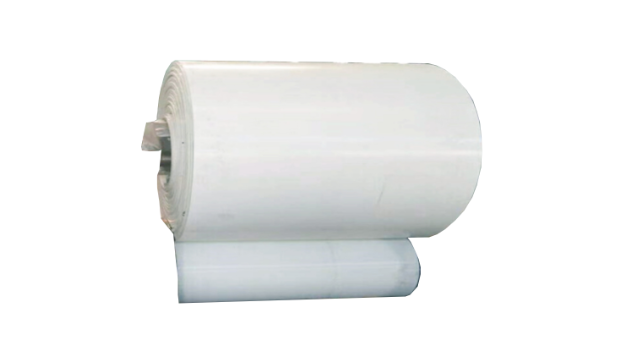
In the modern food processing industry, the white food conveyor belt has become an indispensable equipment in various production lines. Its unique design and functionality provide a range of benefits that cater to the strict requirements of food processing. This article delves into the key features of white food conveyor belts, exploring their materials, design, applications, and advantages.
Material Composition
The material of a white food conveyor belt is crucial as it directly affects the belt's durability, hygiene, and safety. Typically, white food conveyor belts are made from high-quality polyurethane (PU) or silicone materials. These materials are known for their excellent resistance to abrasion, oil, and chemicals, making them ideal for use in food processing environments.
Polyurethane conveyor belts are characterized by their superior flexibility, wear resistance, and tensile strength. They can withstand the rigors of continuous operation and maintain their shape and performance over time. Additionally, polyurethane belts are easy to clean and sanitize, which is essential for maintaining food safety standards.
Silicone conveyor belts, on the other hand, offer superior heat resistance and flexibility. They can operate effectively in extreme temperatures, making them suitable for use in ovens, fryers, and other high-temperature applications. Silicone belts are also non-toxic and odorless, ensuring the safety and quality of food products.
Design Characteristics
The design of a white food conveyor belt is tailored to meet the specific needs of food processing applications. Some key design characteristics include:
Smooth Surface: The surface of the conveyor belt is smooth and even, ensuring that food products move smoothly along the belt without sticking or slipping. This helps to improve production efficiency and reduce the risk of product damage.
Porous Structure: Many white food conveyor belts feature a porous structure, which allows for efficient airflow and drainage. This is particularly important in applications where food products may contain liquids or require drying.
Adjustable Speed: The speed of the conveyor belt can be adjusted to accommodate different production requirements. This flexibility allows manufacturers to optimize their production processes and improve product quality.
Easy Cleaning: White food conveyor belts are designed for easy cleaning and sanitizing. They can be easily removed, washed, and replaced, ensuring that the production line remains clean and hygienic.
Applications
White food conveyor belts are used in a wide range of food processing applications, including:
Bakery Production: In bakery production, white food conveyor belts are used to transport dough, bread, pastries, and other baked goods. Their smooth surface and adjustable speed ensure that products are moved efficiently and without damage.
Meat Processing: In meat processing plants, these belts are used to transport raw meat, processed meats, and packaging materials. Their durability and resistance to bacteria make them ideal for this application.
Dairy Processing: Dairy products such as cheese, milk, and yogurt are often transported on white food conveyor belts. These belts are designed to handle the sticky and wet nature of dairy products while maintaining cleanliness and hygiene.
Fruit and Vegetable Processing: In fruit and vegetable processing, these belts are used to transport fresh produce, sorted by size and quality. Their porous structure allows for efficient drainage, preventing the buildup of moisture and bacteria.
Packaging Lines: White food conveyor belts are also used in packaging lines to transport packaged food products to the next stage of production. Their ability to withstand heavy loads and their smooth surface ensure that packaging materials and products are moved safely and efficiently.
Advantages
The white food conveyor belt offers several advantages over other types of conveyor belts, including:
Improved Hygiene: The smooth, non-porous surface of the white food conveyor belt makes it easy to clean and sanitize, reducing the risk of bacterial growth and contamination. This is essential for maintaining food safety standards and ensuring the quality of food products.
Durability: Made from high-quality materials such as polyurethane or silicone, white food conveyor belts are highly durable and resistant to wear and tear. This reduces the need for frequent replacements and maintenance, saving time and money.
Versatility: White food conveyor belts are suitable for a wide range of food processing applications, from bakery production to meat processing and beyond. Their versatility makes them a valuable asset in any food processing facility.
Ease of Use: The adjustable speed and smooth surface of the white food conveyor belt make it easy to use and operate. This reduces the risk of errors and improves production efficiency.
Aesthetic Appeal: The white color of the conveyor belt gives it a clean and modern appearance, enhancing the overall aesthetics of the production line. This can be particularly important in industries where product presentation and packaging are crucial.
Maintenance and Care
To ensure the longevity and performance of a white food conveyor belt, regular maintenance and care are essential. Here are some tips for maintaining your conveyor belt:
Regular Cleaning: Clean the conveyor belt regularly to remove any food residue, dirt, or debris. Use a mild detergent and warm water, and avoid using harsh chemicals that may damage the belt material.
Inspection: Regularly inspect the conveyor belt for any signs of wear and tear, such as cracks, tears, or excessive stretching. Replace the belt if necessary to prevent breakdowns and ensure continuous operation.
Lubrication: If your conveyor belt requires lubrication, use the recommended type and amount. Excessive lubrication can attract dust and dirt, while insufficient lubrication can cause wear and tear.
Storage: When not in use, store the conveyor belt in a dry, cool place away from direct sunlight. Avoid stacking heavy objects on top of the belt, as this can cause damage.
Conclusion
The white food conveyor belt is a vital component in modern food processing operations. Its unique material composition, design characteristics, and wide range of applications make it an indispensable tool for food manufacturers. The belt's key features, including its durability, hygiene, versatility, ease of use, and aesthetic appeal, provide numerous benefits that cater to the strict requirements of food processing.
However, to maximize the performance and longevity of the white food conveyor belt, regular maintenance and care are essential. By following the tips outlined above, manufacturers can ensure that their conveyor belts remain in optimal condition, reducing the risk of breakdowns and improving production efficiency.
In conclusion, the white food conveyor belt is a testament to the advancements in materials science and engineering that have revolutionized the food processing industry. Its ability to deliver high-quality, safe, and efficient food production makes it an invaluable asset for any food manufacturer. As technology continues to evolve, we can expect further improvements in the design and functionality of white food conveyor belts, paving the way for even more efficient and sustainable food processing practices.
Related News

YANGZHOU BAODA PLASTIC RUBBER PRODUCTS CO., LTD. was founded in 2004, located in Baoying County, Yangzhou, Jiangsu Province, China.
Newsletter Sign Up
Quick Link
Contact Us
Address: Honggang Road, Wangzhigang Industrial Park, Baoying County, Jiangsu Province
Copyright 2023 YANGZHOU BAODA PLASTIC RUBBER PRODUCTS CO.,lTD Powered by www.300.cn Tags
Copyright 2023 YANGZHOU BAODA PLASTIC RUBBER PRODUCTS CO.,lTD
Powered by www.300.cn Tags