
What safety measures should be taken when operating conveyor belts?
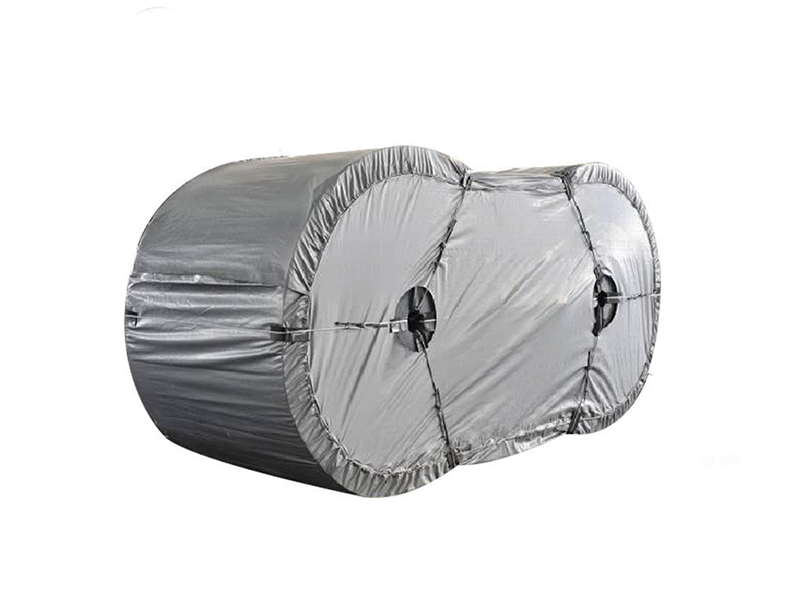
Conveyor belts are essential in industries such as manufacturing, mining, logistics, and food processing, enabling the efficient movement of materials. However, their operation involves significant risks, including entanglement, crushing, falls, and mechanical failures. To ensure worker safety and prevent accidents, strict safety measures must be implemented. These measures encompass proper training, machine guarding, emergency protocols, regular maintenance, and adherence to safety regulations. This article explores the key safety precautions necessary for the safe operation of conveyor belts.
1. Proper Training and Awareness
The foundation of conveyor belt safety is comprehensive training for all personnel involved in their operation, maintenance, and supervision. Workers must understand the hazards associated with conveyor systems and the correct procedures for safe interaction.
(A) Operator Training
Machine Operation: Workers should be trained on how to start, stop, and adjust conveyor belts safely. They must understand control mechanisms, emergency stop functions, and safe loading/unloading procedures.
Hazard Recognition: Training should cover common risks, such as pinch points, moving parts, and falling materials, along with strategies to avoid them.
Personal Protective Equipment (PPE): Workers must be instructed on the proper use of PPE, including gloves, safety boots, helmets, and high-visibility clothing.
(B) Safety Awareness Programs
Signage and Labels: Clear warning signs, such as "Danger - Moving Parts" or "Keep Hands Clear," should be posted near conveyors.
Safety Meetings: Regular briefings on safety protocols and recent incidents help reinforce best practices.
Lockout/Tagout (LOTO) Procedures: Employees must be trained on isolating energy sources before performing maintenance to prevent accidental startup.
2. Machine Guarding and Physical Barriers
Conveyor belts have numerous hazardous areas, including rollers, belts, gears, and drive mechanisms. Proper guarding prevents accidental contact with moving parts.
(A) Fixed and Adjustable Guards
Fixed Guards: Permanent barriers around belts, pulleys, and gears prevent access to dangerous zones.
Adjustable Guards: In areas where maintenance is frequent, movable guards with proper locking mechanisms can be used, ensuring they are secured when the conveyor is operational.
(B) Emergency Stop Systems
Easily Accessible Buttons: Emergency stop switches should be installed along the conveyor’s length, allowing workers to quickly halt the system in case of an emergency.
Pull Cords: Rope-based emergency stop systems enable workers to stop the conveyor from multiple points along its path.
(C) Edge Protection
Skirt Boards and Side Guards: These prevent materials from spilling off the conveyor and reduce the risk of workers reaching into moving parts.
Covered Rollers: Exposed rollers should be shielded to prevent entanglement of clothing or body parts.
3. Safe Operating Procedures
Establishing and enforcing standardized operating procedures minimizes risks during daily use.
(A) Loading and Unloading Safety
Controlled Material Flow: Materials should be loaded evenly to prevent belt misalignment or overloading.
Avoiding Manual Intervention: Workers should never reach into moving parts to remove jammed materials; proper blocking and lockout procedures must be followed.
(B) Belt Alignment and Tensioning
Regular Checks: Misaligned or overly tensioned belts can cause slippage, jams, or sudden stops, leading to accidents.
Proper Adjustment Techniques: Only trained personnel should adjust belt tension or alignment using approved tools.
(C) Speed and Load Management
Speed Limits: Conveyors should operate at safe speeds to prevent material spillage or worker injuries.
Load Capacity: Exceeding the conveyor’s rated capacity can cause mechanical failure or belt damage.
4. Maintenance and Inspection Protocols
Regular maintenance ensures conveyor belts function safely and efficiently. Neglecting upkeep increases the risk of unexpected breakdowns and accidents.
(A) Daily and Scheduled Inspections
Visual Checks: Operators should inspect belts for wear, fraying, misalignment, or unusual noises before and after operation.
Lubrication and Component Checks: Moving parts such as bearings, rollers, and motors must be properly lubricated and inspected for wear.
(B) Preventive Maintenance
Scheduled Servicing: Routine maintenance should include belt tension adjustments, roller replacements, and motor inspections.
Replacement of Worn Parts: Damaged belts, damaged guards, or faulty sensors must be replaced immediately to prevent failures.
(C) Documentation and Record-Keeping
Maintenance Logs: Keeping detailed records of inspections, repairs, and part replacements helps track equipment health and compliance.
Reporting Issues: Workers should report any abnormalities, such as unusual vibrations or belt slippage, to supervisors immediately.
5. Emergency Preparedness and Response
Despite safety measures, emergencies can occur. Having a well-defined response plan minimizes harm and ensures quick recovery.
(A) Emergency Stop Activation
Immediate Shutdown: Workers must know how to quickly stop the conveyor in case of entanglement, jamming, or fire.
Clear Evacuation Routes: Emergency exits and paths to safe zones should be unobstructed.
(B) First Aid and Rescue Procedures
Accessible First Aid Kits: First aid supplies should be available near conveyor areas.
Rescue Plans: Procedures for safely extracting workers trapped in or near conveyors must be established.
(C) Incident Investigation
Root Cause Analysis: After an accident, the incident should be investigated to determine the cause and prevent recurrence.
Safety Reviews: Updated safety protocols should reflect lessons learned from past incidents.
6. Compliance with Safety Regulations
Adhering to local and international safety standards ensures that conveyor systems meet minimum safety requirements.
(A) Regulatory Standards
OSHA (Occupational Safety and Health Administration) Guidelines: In the U.S., OSHA sets rules for conveyor safety, including guarding, emergency stops, and training.
ISO and ANSI Standards: International standards provide guidelines for conveyor design, operation, and maintenance.
(B) Workplace Safety Policies
Company-Specific Rules: Employers should develop and enforce internal safety policies tailored to their operations.
Regular Audits: Safety audits ensure ongoing compliance with regulations and internal procedures.
Conclusion
Conveyor belts are indispensable in modern industry, but their operation poses significant risks if safety measures are neglected. By implementing comprehensive training, proper machine guarding, safe operating procedures, regular maintenance, and emergency preparedness, workplaces can significantly reduce accidents and injuries. Compliance with safety regulations and continuous improvement of safety practices further enhance protection for workers. Ultimately, prioritizing safety not only prevents harm but also improves operational efficiency and reduces downtime, making it a critical aspect of conveyor belt management.
Related News

YANGZHOU BAODA PLASTIC RUBBER PRODUCTS CO., LTD. was founded in 2004, located in Baoying County, Yangzhou, Jiangsu Province, China.
Newsletter Sign Up
Quick Link
Contact Us
Address: Honggang Road, Wangzhigang Industrial Park, Baoying County, Jiangsu Province
Copyright 2023 YANGZHOU BAODA PLASTIC RUBBER PRODUCTS CO.,lTD Powered by www.300.cn Tags
Copyright 2023 YANGZHOU BAODA PLASTIC RUBBER PRODUCTS CO.,lTD
Powered by www.300.cn Tags