
How to extend the service life of conveyor belts through proper maintenance?
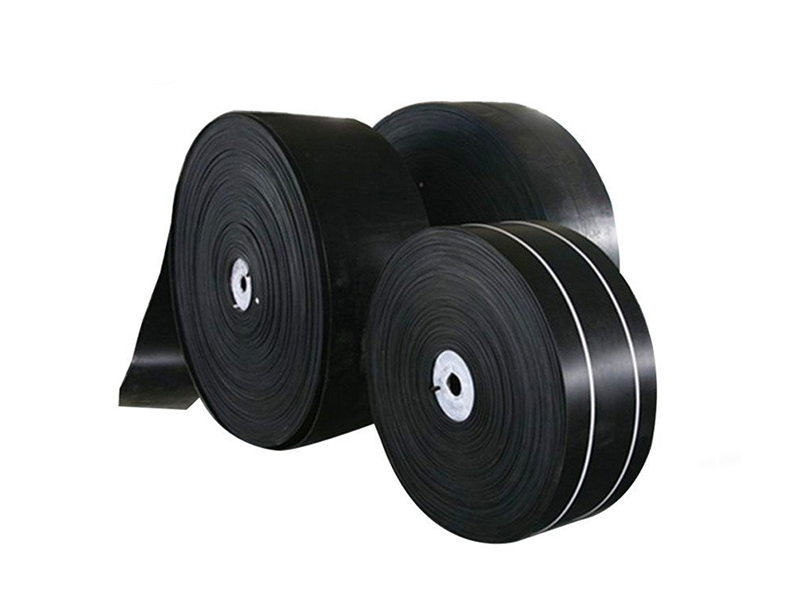
Conveyor belts are a fundamental component in numerous industries, playing a pivotal role in the efficient movement of materials. Whether in mining, manufacturing, or logistics, these belts are subject to constant wear and tear. However, with proper maintenance, their service life can be significantly extended, ensuring optimal performance and cost-effectiveness. This article delves into the key strategies for maintaining conveyor belts to maximize their longevity.
Understanding Conveyor Belt Composition and Function
Before delving into maintenance practices, it's essential to understand what conveyor belts are made of and how they function. Conveyor belts typically consist of two main components: the carcass and the cover. The carcass provides strength and flexibility, while the cover protects the carcass from abrasion, tearing, and other forms of damage. The materials used for both components vary depending on the application, with common choices including rubber, PVC, and various synthetic fabrics.
Regular Inspection: The Foundation of Maintenance
The cornerstone of conveyor belt maintenance is regular inspection. Inspections should be conducted visually and, if possible, using specialized equipment to detect issues that aren't immediately apparent to the naked eye. Key areas to inspect include:
Surface Condition: Look for signs of wear, such as cracks, cuts, or abrasions. Pay special attention to the edges, as they are particularly susceptible to damage.
Belt Tracking: Ensure the belt is tracking correctly, meaning it runs straight and true along the conveyor system. Misalignment can cause uneven wear and increase the risk of damage.
Pulleys and Rollers: Check for wear on pulleys and rollers, as well as any signs of misalignment or damage that could affect belt performance.
Fasteners and Splices: Inspect all fasteners and splices for tightness and integrity. Loose or damaged fasteners can lead to belt failure.
Cleaning: Keeping the Belt in Top Condition
Regular cleaning is crucial for maintaining the integrity of conveyor belts. Accumulated debris, such as dirt, dust, and material residue, can cause abrasion and accelerate wear. Additionally, certain substances can degrade the belt material over time if not removed promptly.
Cleaning should be performed regularly using appropriate methods and materials. For most belts, a mild detergent and water solution is sufficient. Avoid using harsh chemicals or abrasive tools that can damage the belt surface. After cleaning, ensure the belt is thoroughly dried to prevent moisture-related issues.
Tensioning: Maintaining Optimal Belt Tension
Proper tensioning is vital for the efficient operation of conveyor belts. Belts that are too loose can slip, causing wear on both the belt and the conveyor components. Conversely, belts that are too tight can put excessive stress on the carcass, leading to premature failure.
To maintain optimal tension, regularly check the belt tension and adjust as necessary. Many conveyor systems are equipped with tensioning devices that allow for easy adjustments. It's important to follow the manufacturer's guidelines for tensioning to ensure the belt operates within its designed parameters.
Lubrication: Reducing Friction and Wear
While conveyor belts themselves do not require lubrication, other components of the conveyor system, such as bearings and pulleys, do. Proper lubrication reduces friction and wear, extending the life of these components and, by extension, the conveyor belt.
Use high-quality lubricants recommended by the equipment manufacturer and apply them according to the specified intervals and quantities. Over-lubrication can attract dirt and debris, leading to increased wear, while under-lubrication can cause excessive friction and heat buildup.
Environmental Considerations: Protecting Against External Factors
The environment in which a conveyor belt operates can significantly impact its lifespan. Factors such as temperature extremes, moisture, and exposure to chemicals can all take a toll on the belt material.
To protect against these environmental factors, consider using belts with protective coatings or liners designed to withstand specific conditions. Additionally, ensure that the conveyor system is properly sealed and protected from the elements to minimize exposure to harmful substances.
Training and Awareness: Building a Culture of Maintenance
Perhaps the most critical aspect of conveyor belt maintenance is ensuring that all personnel involved understand the importance of proper care and are trained in the necessary procedures. Regular training sessions can help reinforce best practices and keep everyone up-to-date on the latest maintenance techniques.
Encourage a culture of maintenance within your organization by recognizing and rewarding employees who demonstrate a commitment to keeping equipment in top condition. This not only helps extend the life of your conveyor belts but also fosters a more efficient and safety-conscious work environment.
Conclusion
Extending the service life of conveyor belts through proper maintenance is not only cost-effective but also essential for maintaining operational efficiency and safety in various industries. By understanding the composition and function of conveyor belts, conducting regular inspections, keeping them clean, maintaining optimal tension, lubricating related components, considering environmental factors, and fostering a culture of maintenance, organizations can ensure their conveyor belts continue to perform reliably for years to come. Remember, a well-maintained conveyor belt is an investment in the long-term success of your operation.
Related News

YANGZHOU BAODA PLASTIC RUBBER PRODUCTS CO., LTD. was founded in 2004, located in Baoying County, Yangzhou, Jiangsu Province, China.
Newsletter Sign Up
Quick Link
Contact Us
Address: Honggang Road, Wangzhigang Industrial Park, Baoying County, Jiangsu Province
Copyright 2023 YANGZHOU BAODA PLASTIC RUBBER PRODUCTS CO.,lTD Powered by www.300.cn Tags
Copyright 2023 YANGZHOU BAODA PLASTIC RUBBER PRODUCTS CO.,lTD
Powered by www.300.cn Tags