
Can pvc whole core elevator belts withstand high-temperature environments without degradation?
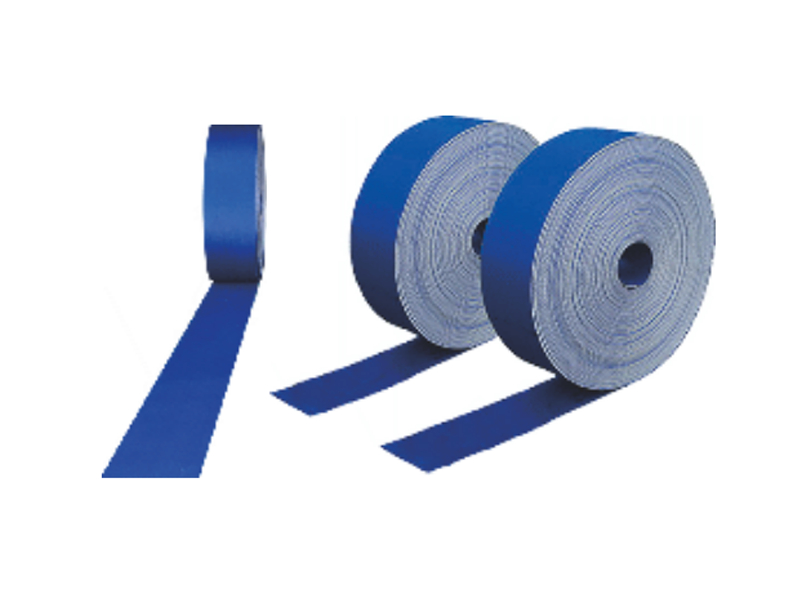
The Performance of PVC Whole Core Elevator Belts in High-Temperature Environments
Elevator belts are critical components in material handling systems, ensuring the safe and efficient vertical transport of goods across various industries. Among the different types of elevator belts available, PVC (polyvinyl chloride) whole core elevator belts have gained popularity due to their durability, cost-effectiveness, and ease of maintenance. However, one of the pressing concerns when deploying these belts in industrial settings is their ability to withstand high-temperature environments without experiencing significant degradation. This article explores the properties of PVC whole core elevator belts, their response to elevated temperatures, and the limitations that must be considered when using them in such conditions.
Understanding PVC as a Belt Material
Polyvinyl chloride is a synthetic polymer widely used in the manufacturing of conveyor and elevator belts because of its flexibility, strength, and resistance to abrasion and chemicals. The "whole core" construction refers to the belt's design, where the load-bearing carcass is made from a solid, homogeneous layer of PVC material, often reinforced with embedded tensile members such as cords or fabric layers. This construction provides uniform strength distribution and reduces the likelihood of delamination, which is common in layered belt designs.
PVC belts are known for their smooth surface finish, which minimizes material adhesion and facilitates clean release of transported goods. They are also relatively lightweight, contributing to lower energy consumption during operation. These characteristics make PVC whole core elevator belts suitable for a wide range of applications, including agriculture, mining, food processing, and manufacturing.
Temperature Resistance of PVC
The performance characteristics of any polymer, including PVC, are inherently tied to its thermal properties. PVC is classified as a thermoplastic material, meaning it softens when exposed to heat and can return to a solid state upon cooling, provided it has not reached its decomposition temperature. The thermal stability of PVC is one of the key factors that determine its suitability for use in high-temperature environments.
The typical operating temperature range for standard PVC materials is between -10°C and 60°C (14°F to 140°F). Within this range, PVC maintains its structural integrity, mechanical strength, and flexibility. However, when exposed to temperatures approaching or exceeding 60°C, PVC begins to undergo thermal degradation. The effects of elevated temperatures on PVC can be categorized into physical, chemical, and mechanical changes.
Effects of High Temperatures on PVC Whole Core Elevator Belts
1. Thermal Softening
At temperatures above 60°C, PVC starts to soften. This thermal softening reduces the belt's stiffness and load-bearing capacity, making it more susceptible to deformation under stress. In an elevator system, where belts are subjected to constant tension and cyclic loading, thermal softening can lead to belt sagging, misalignment, and eventual failure. The whole core construction, while providing enhanced strength, does not inherently protect the PVC material from the effects of heat-induced softening.
2. Loss of Mechanical Properties
Prolonged exposure to high temperatures results in a gradual loss of mechanical properties such as tensile strength, elongation at break, and impact resistance. The molecular structure of PVC begins to break down as heat energy disrupts the polymer chains. This degradation compromises the belt's ability to withstand the dynamic forces encountered during operation, increasing the risk of cracks, tears, and ruptures.
3. Chemical Instability
High temperatures can accelerate the chemical degradation of PVC. The material may undergo dehydrochlorination, a process in which hydrogen chloride (HCl) gas is released as the polymer chains break down. The loss of HCl alters the chemical composition of the PVC, leading to discoloration (often yellowing or browning), embrittlement, and a reduction in overall durability. This chemical instability is particularly concerning in environments where the belt is exposed to both heat and corrosive substances.
4. Oxidative Degradation
In the presence of oxygen, elevated temperatures can trigger oxidative degradation in PVC. This process involves the reaction of oxygen molecules with the polymer chains, resulting in the formation of carbonyl groups and other oxidation byproducts. Oxidative degradation further weakens the material, leading to a loss of elasticity and an increased tendency to crack under stress. While antioxidants are often added during the manufacturing process to mitigate this effect, their protective capabilities diminish over time, especially under prolonged thermal stress.
5. Impact on Reinforcement Elements
Although the whole core construction enhances the belt's structural integrity, many PVC belts incorporate reinforcement elements such as polyester or nylon cords to improve tensile strength. These materials have their own thermal limitations. For instance, nylon begins to lose strength at temperatures above 80°C, while polyester can withstand slightly higher temperatures but may still degrade in extreme heat. The interaction between the PVC matrix and the reinforcement elements means that the overall performance of the belt in high-temperature environments is a function of both materials.
Limitations in High-Temperature Applications
Given the thermal limitations of PVC, whole core elevator belts are generally not recommended for use in environments where temperatures consistently exceed 60°C. In such conditions, the belt's performance is likely to be compromised, leading to reduced service life, increased maintenance requirements, and potential safety hazards. Industries that operate in high-temperature environments, such as metal processing, cement manufacturing, and certain chemical production facilities, must carefully evaluate the thermal demands of their applications before selecting PVC belts.
It is important to note that occasional or transient exposure to higher temperatures may not immediately result in catastrophic failure. However, even short-term exposure to temperatures significantly above the recommended range can accelerate the aging process and reduce the long-term durability of the belt. Factors such as the duration of exposure, the intensity of the heat source, and the ventilation within the operating environment all play a role in determining the extent of thermal degradation.
Mitigation Strategies and Alternatives
For applications where high-temperature resistance is a critical requirement, several mitigation strategies and alternative materials can be considered:
Heat-Resistant Compounds: Some manufacturers offer PVC belts with specialized heat-resistant compounds that are formulated to withstand slightly higher temperatures. These compounds may include additives that enhance thermal stability, though the improvements are typically modest and may not extend the usable temperature range significantly beyond 70°C.
Belt Cooling Systems: In environments where high temperatures are unavoidable, the implementation of belt cooling systems can help maintain the operating temperature within acceptable limits. This approach may involve the use of air blowers, water sprays, or heat shields to dissipate heat away from the belt surface.
Alternative Materials: For applications requiring sustained operation in high-temperature environments, materials such as rubber, polyurethane, or thermoset polymers may be more suitable. Rubber belts, for example, can withstand higher temperatures than PVC, though they are generally heavier and more expensive. Thermoset belts, which do not soften upon heating, offer excellent thermal stability but are less flexible and more challenging to install.
Operational Adjustments: Modifying operational parameters, such as reducing belt speed, minimizing load weights, or optimizing the conveying path to reduce friction and heat generation, can help alleviate some of the thermal stresses on the belt.
Conclusion
PVC whole core elevator belts are versatile and cost-effective solutions for a wide range of material handling applications. Their smooth surface, durability, and ease of maintenance make them a popular choice in many industries. However, their performance in high-temperature environments is limited by the inherent thermal properties of PVC. As temperatures rise above the recommended range of 60°C, PVC belts are prone to thermal softening, mechanical degradation, chemical instability, and oxidative damage, all of which can compromise their integrity and reliability.
While certain mitigation strategies, such as the use of heat-resistant compounds or operational adjustments, can help extend the usability of PVC belts in moderately elevated temperatures, they are not a substitute for selecting the appropriate material for the specific application. For environments where high-temperature resistance is a critical requirement, alternative belt materials with superior thermal properties should be considered. Ultimately, the choice of elevator belt material should be guided by a thorough understanding of the operating conditions, performance requirements, and long-term maintenance considerations.
Related News

YANGZHOU BAODA PLASTIC RUBBER PRODUCTS CO., LTD. was founded in 2004, located in Baoying County, Yangzhou, Jiangsu Province, China.
Newsletter Sign Up
Quick Link
Contact Us
Address: Honggang Road, Wangzhigang Industrial Park, Baoying County, Jiangsu Province
Copyright 2023 YANGZHOU BAODA PLASTIC RUBBER PRODUCTS CO.,lTD Powered by www.300.cn Tags
Copyright 2023 YANGZHOU BAODA PLASTIC RUBBER PRODUCTS CO.,lTD
Powered by www.300.cn Tags